Photographic design is the art of using photographic elements and techniques to communicate, stylize, and solve problems, similar to graphic design. It focuses on manipulating in-camera composition elements like lines, patterns, textures, and depth, as well as colors, light, and perspective to create visually compelling images.
“Design” generally refers to the process of planning and creating something, whether it’s an object, a system, or an artistic creation. It involves envisioning, developing, and implementing a plan to achieve a specific purpose or goal, often taking into account aesthetics, functionality, and user experience.
BASIC ELEMENTS OF DESIGN:
Color: Design with color involves the strategic use of color to achieve specific visual and emotional effects in design. It’s a process of understanding color theory and its psychological impact to create visually appealing and effective designs.
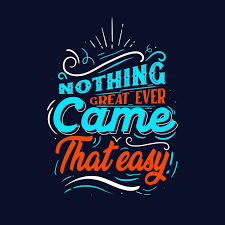
Typography design: is the art and technique of arranging type (fonts) to make text readable, legible, and visually appealing. It involves choosing typefaces, setting line spacing (leading), letter spacing (tracking), and overall text layout. Effective typography enhances readability, conveys tone, and contributes to the overall design aesthetic.
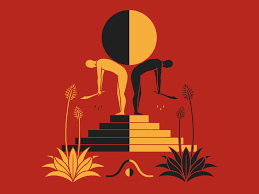
Balance: In design, balance refers to the arrangement of visual elements in a way that creates a harmonious and visually pleasing composition. This involves distributing elements in a manner that creates a sense of equilibrium and stability, where no single element dominates the composition. Balance can be achieved through various methods, including symmetry, asymmetry, and radial or mosaic balance.
Proportion: In design, proportion refers to the relationship between the sizes, shapes, and quantities of elements within a composition, influencing how they relate to each other and the overall visual impact. It’s about the way different parts of a design look in comparison to each other, creating a sense of balance and harmony.
HOW DOES DESISGN INFLUENCE
Design plays a crucial role in shaping how we interact with the world around us. From the layout of a smartphone app to the structure of a city street, thoughtful design can enhance functionality, improve accessibility, and create a sense of connection between users and their environment. Good design goes beyond aesthetics—it solves problems, anticipates needs, and facilitates seamless experiences. Whether in technology, architecture, or branding, effective design influences behavior, drives innovation, and helps communicate complex ideas in a clear and engaging way.
Moreover, design has the power to shape culture and influence emotions. A well-designed product or space can evoke trust, comfort, excitement, or inspiration. In branding, for example, visual elements like color schemes, typography, and logos contribute to the perception of a company’s values and identity. Social movements also use design—through posters, websites, and merchandise—to spread messages and rally support. Ultimately, design is not just about how things look, but how they work and how they make us feel. It bridges creativity and strategy to create meaningful, lasting impact.
CONCLUSION
Design is a powerful tool that extends far beyond visual appeal—it is a means of communication, problem-solving, and emotional influence. Whether through photographic techniques, graphic elements, or spatial planning, design shapes our experiences and perceptions in profound ways. By thoughtfully applying the basic elements of design such as color, typography, balance, and proportion, creators can craft meaningful visuals and environments that resonate with users, drive innovation, and leave lasting impressions. Ultimately, design is at the heart of how we understand, navigate, and connect with the world around us.